
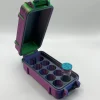
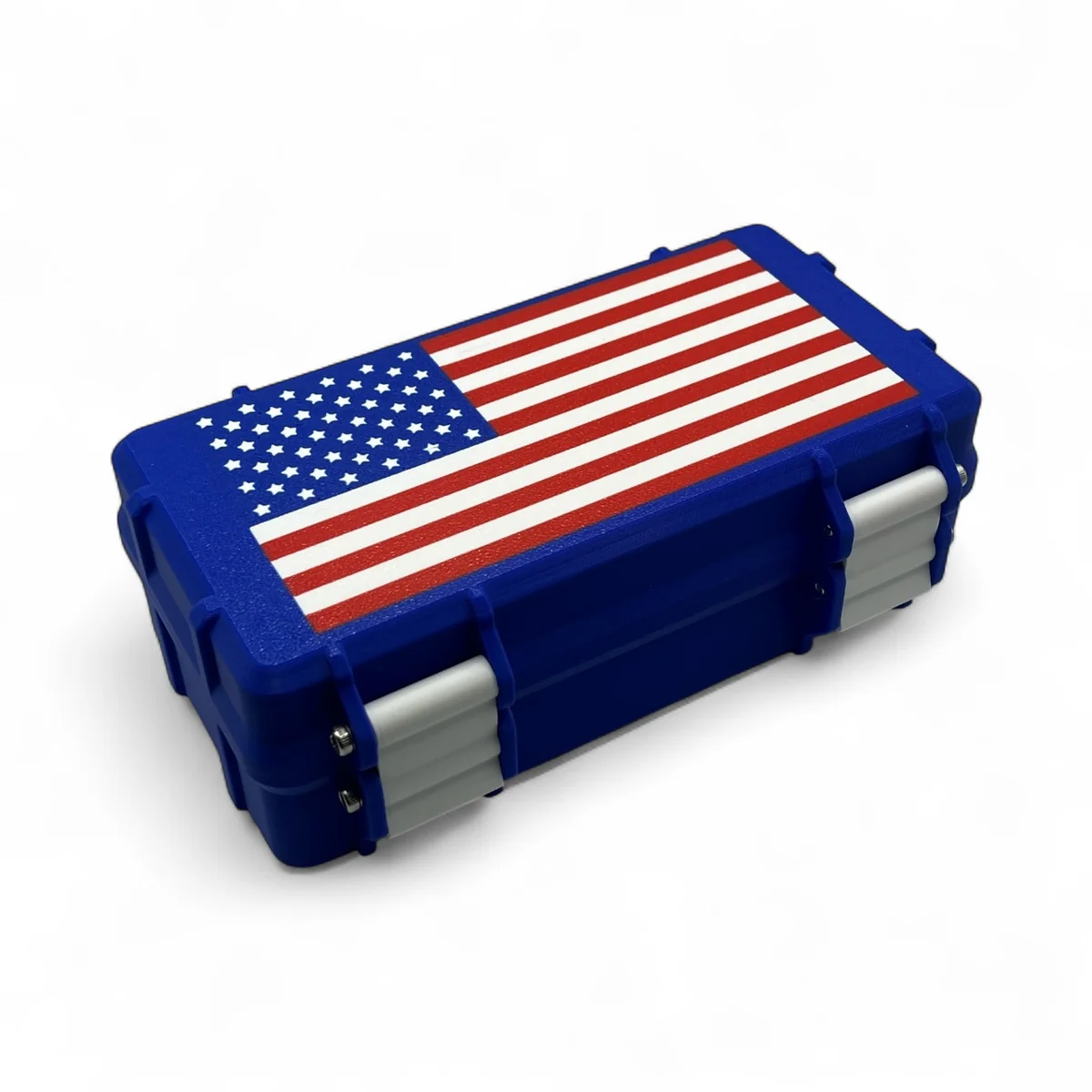
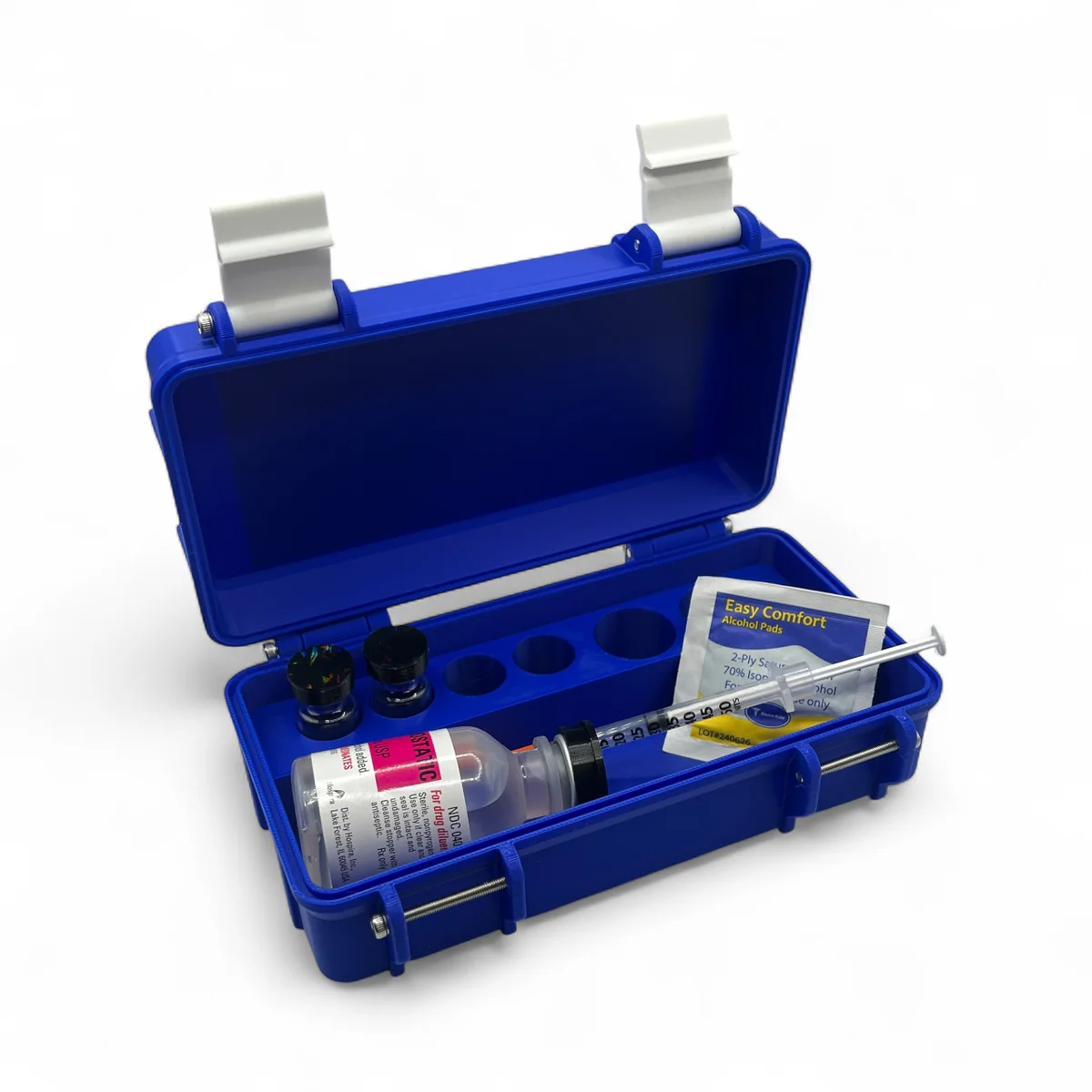


Peptide Vial Master Case. 2mL-5mL Vials
$26.00
Comprehensive Guide to Peptide Vial Master Cases, Bulk Storage Solutions, and Inventory Security for 2mL to 5mL Vials
Welcome to Suzhou Lanhai Peptide, your trusted global source for advanced synthetic peptides, amino acid derivatives, and specialized laboratory storage solutions. In modern pharmaceutical synthesis, high-throughput analytical chemistry, and biotechnology research, managing large inventories of biological samples requires robust, systematic, and secure containment infrastructure. When handling multiple rows of small-volume glass containers—specifically 2mL to 5mL vials—utilizing a heavy-duty Peptide Vial Master Case is vital for maintaining organization, structural protection, and inventory control.
This comprehensive guide explores the structural engineering, modular capacity design, material resilience, and cold-storage compatibility surrounding master storage cases for 2mL and 5mL vials. By examining real-world laboratory logistics and polymer manufacturing benchmarks, we outline why optimized bulk containment is a foundational pillar of efficient research facilities.
1. The Critical Need for Master-Level Storage in High-Throughput Research
As biotechnology laboratories and peptide synthesis facilities scale their operations, the volume of samples, HPLC autosampler bottles, and lyophilized powder vials increases exponentially. Relying on disorganized, single-unit storage or fragile cardboard boxes introduces severe operational risks.
The Challenges of Bulk Vial Management
Managing hundreds of individual 2mL, 3mL, and 5mL glass vials presents unique logistical hurdles:
-
Inventory Disorganization: Without structured grid matrices, tracking specific batch numbers, peptide sequences, or synthesis dates becomes chaotic, leading to misplaced research materials and wasted resources.
-
Cumulative Impact Hazards: When vials are stored loosely or in substandard trays, shifting during transport can cause glass-on-glass friction, resulting in hairline fractures, chipped rims, and total sample contamination.
-
Cold-Storage Space Inefficiencies: Standard shelving units in ultra-low temperature (ULT) freezers can quickly become congested if storage containers lack a uniform, stackable geometry.
The Engineering Solution: The Master Case Architecture
A peptide vial master case is engineered specifically to consolidate large quantities of 2mL to 5mL vials into a single, high-density, highly protected footprint. By combining a heavy-duty outer shell with custom-molded internal foam or grid inserts, master cases provide absolute structural stability and streamlined inventory mapping.
2. Material Science and Structural Engineering of Master Storage Cases
To withstand the rigorous demands of institutional laboratories, master cases must be constructed from advanced engineering-grade polymers capable of enduring mechanical stress and extreme thermal fluctuations.
High-Impact Polymer Shells
The exterior housing of a professional master case is typically molded from high-density polyethylene (HDPE) or reinforced polypropylene (PP). These materials offer:
-
Superior Tensile Strength: Absorbing heavy impacts and protecting internal vials from external crushing forces during inter-facility shipping.
-
Chemical and Solvent Resistance: Protecting against accidental spills of laboratory reagents, ethanol, isopropyl alcohol, and mild acids commonly used during benchtop sanitization.
Custom Foam and Grid Configurations for 2mL–5mL Vials
The internal architecture of a master case is meticulously tailored to the exact dimensions of 2mL, 3mL, and 5mL tubular glass vials:
-
Precision-Cut EVA or Polyethylene Foam: Closed-cell foam inserts securely cradle each vial individually, eliminating lateral movement and dampening shock vibrations.
-
Tiered or Modular Trays: Allowing multi-level storage that maximizes vertical capacity without increasing the horizontal footprint inside laboratory refrigerators or freezers.
3. Cold-Chain Integrity and Ultra-Low Temperature Compatibility
In peptide research, many biological compounds must be stored in sub-zero environments ranging from $-20^\circ C$ to $-80^\circ C$. Storage containers must perform reliably under severe thermal stress.
Preventing Polymer Embrittlement
Sub-zero temperatures frequently cause inferior plastics to become brittle and shatter upon impact. Master cases designed for biomedical applications utilize cold-stabilized polymers that maintain structural elasticity and secure latching integrity even in cryogenic freezing environments.
Moisture and Condensation Management
Transferring master cases between ambient workrooms and cold storage units generates thermal gradients that cause condensation. Professional-grade master cases feature integrated O-ring gaskets and compression latches that create a tight environmental seal, preventing moisture ingress, frost buildup, and label degradation.
4. Laboratory Efficiency, Traceability, and Compliance
Regulatory standards in pharmaceutical development require precise chain-of-custody tracking and flawless inventory auditing. Master storage cases facilitate seamless laboratory management.
Systematic Grid Mapping
By organizing 2mL to 5mL vials into numbered or lettered grid coordinates within a master case, laboratories eliminate guesswork. Technicians can instantly locate specific peptide batches using digital inventory software linked to the master container’s exterior barcode.
Secure Latching and Tamper Evidence
Master cases utilize heavy-duty, double-throw latches or padlock-compatible eyelets, ensuring that sensitive research materials remain secure and protected from unauthorized access during transport across global supply chains.
5. Frequently Asked Questions (FAQs)
1. What specific vial sizes fit inside a master case designed for 2mL to 5mL vials?
These cases feature custom-engineered grid inserts specifically tailored to securely hold standard 2mL, 3mL, and 5mL tubular glass vials, serum bottles, and chromatography autosampler vials of matching outer diameters.
2. Can these master storage cases be placed directly into ultra-low temperature freezers?
Yes. Master cases are molded from cold-stabilized engineering polymers designed to withstand sub-zero freezer environments without cracking, warping, or losing latch elasticity.
3. Do master cases protect vials from breakage during international or freight shipping?
Yes. The combination of a rigid, impact-resistant exterior shell and shock-absorbing internal closed-cell foam inserts isolates vials from mechanical vibrations and drop shocks during transit.
4. Are the internal foam inserts resistant to chemical cleaning agents?
The closed-cell polyethylene or EVA foam inserts are chemically inert, non-absorbent, and resistant to standard laboratory sanitizers, medical-grade alcohols, and mild disinfectants.
5. Are these cases suitable for pharmaceutical and institutional compliance standards?
Yes. They are engineered for biotechnology firms, clinical testing laboratories, and research institutions requiring structured, secure, and auditable bulk sample storage solutions.
Be the first to review “Peptide Vial Master Case. 2mL-5mL Vials”
Related products


peptide storage for sale

peptide storage for sale


peptide storage for sale

peptide storage for sale
Reviews
There are no reviews yet.