
best fat burning peptide
Best Fat Burning Peptide: Understanding Peptides in Metabolic and Weight Management Research
Exploring the Best Fat Burning Peptides in Scientific Research
The search for the best fat burning peptide has grown significantly as researchers continue investigating peptides involved in metabolism, energy regulation, body composition, and cellular signaling. Scientists, biotechnology companies, pharmaceutical developers, and academic institutions are studying various peptides to better understand how they interact with biological pathways related to weight management and metabolic function.
Peptides have become an important area of research because they serve as signaling molecules throughout the body. Their ability to influence specific biological processes has made them valuable subjects in metabolic and obesity-related research programs.
At Suzhou Lanhai Peptide, we support scientific advancement by providing high-quality research peptides, custom peptide synthesis services, and peptide manufacturing solutions for biotechnology and pharmaceutical applications.
What Are Fat Burning Peptides?
The term “fat burning peptide” is commonly used to describe peptides that researchers investigate for their potential involvement in metabolic regulation, energy expenditure, appetite signaling, body composition, and related physiological processes.
Researchers continue to study various peptide compounds to better understand their mechanisms of action and biological effects. Scientific interest in these peptides has expanded alongside growing research into obesity, metabolic disorders, and weight management strategies.
Why Are Peptides Important in Metabolic Research?
Peptides function as messengers within the body, helping regulate communication between cells, tissues, and organs.
Researchers investigate metabolic peptides because they may play roles in:
-
Energy balance
-
Appetite regulation
-
Cellular signaling
-
Body composition
-
Glucose metabolism
-
Hormonal pathways
-
Fat metabolism
-
Muscle preservation
Understanding these processes may contribute to future advances in biotechnology and pharmaceutical development.
Common Peptides Studied in Metabolic Research
Several peptides have attracted attention in scientific studies related to metabolism and body composition.
GLP-1 Related Peptides
Researchers have extensively investigated glucagon-like peptide pathways for their role in appetite signaling, glucose regulation, and metabolic function.
Growth Hormone-Releasing Peptides
Various growth hormone-related peptides are studied for their potential influence on body composition and metabolic activity.
Dual and Multi-Pathway Peptides
Modern peptide research increasingly focuses on compounds designed to interact with multiple biological pathways involved in metabolism.
Experimental Metabolic Peptides
Biotechnology companies continue developing novel peptides to explore emerging targets associated with energy regulation and weight management.
Factors Researchers Evaluate
When studying peptides associated with metabolism, scientists often analyze:
Biological Activity
Understanding how peptides interact with cellular receptors and signaling pathways.
Stability
Evaluating how peptides behave under laboratory conditions and during testing.
Selectivity
Determining whether peptides interact with specific biological targets.
Pharmacological Characteristics
Studying absorption, distribution, metabolism, and elimination patterns.
Safety Profiles
Investigating biological responses through controlled research environments.
Why Quality Matters in Peptide Research
Research outcomes depend heavily on peptide quality and manufacturing consistency.
High-quality peptides typically feature:
-
Verified purity
-
Accurate sequence confirmation
-
Analytical testing
-
Batch consistency
-
Reliable documentation
-
Professional manufacturing standards
Researchers rely on quality-controlled materials to help ensure reproducible experimental results.
The Growing Interest in Metabolic Peptide Research
Obesity and metabolic health remain major areas of scientific investigation worldwide. As researchers seek to better understand the biological mechanisms involved, peptide science continues to play an increasingly important role.
Research institutions throughout the United States are actively studying peptides in:
-
Biotechnology laboratories
-
Pharmaceutical companies
-
Academic research centers
-
Clinical research organizations
-
Drug discovery programs
Major research hubs include:
-
Boston, Massachusetts
-
San Diego, California
-
San Francisco Bay Area, California
-
Houston, Texas
-
Raleigh-Durham, North Carolina
-
Philadelphia, Pennsylvania
-
Chicago, Illinois
-
New York, New York
How Researchers Select Peptide Suppliers
Choosing a trusted peptide manufacturer is essential for research success.
Important considerations include:
Manufacturing Expertise
Experienced manufacturers often provide superior technical capabilities and process control.
Quality Assurance
Comprehensive testing helps ensure consistency and reliability.
Custom Synthesis Capabilities
Many research projects require specialized peptide sequences.
Analytical Support
Advanced testing services help verify peptide identity and purity.
Global Distribution
Reliable logistics ensure product integrity throughout transportation.
Why Choose Suzhou Lanhai Peptide
Suzhou Lanhai Peptide provides advanced peptide manufacturing solutions for researchers worldwide.
Our capabilities include:
-
Custom Peptide Synthesis
-
Research Peptide Manufacturing
-
GMP Peptide Production
-
Peptide API Development
-
Analytical Testing Services
-
Peptide Characterization
-
Process Development Support
Our commitment to quality, innovation, and scientific excellence enables researchers to access the peptide materials they need for cutting-edge investigations.
Frequently Asked Questions
What is the best fat burning peptide?
Researchers study numerous peptides involved in metabolism, energy regulation, and body composition. Scientific investigation continues to evaluate their biological properties and potential applications.
Why are peptides studied for metabolism?
Peptides play important roles in cellular communication and may influence pathways involved in energy balance and metabolic regulation.
Who conducts peptide research?
Universities, biotechnology companies, pharmaceutical organizations, contract research organizations, and scientific institutions worldwide conduct peptide-related research.
Why is peptide purity important?
High-purity peptides help improve research consistency, reliability, and reproducibility.
Can peptides be custom synthesized?
Yes. Custom peptide synthesis allows researchers to obtain specific sequences tailored to their scientific objectives.
Supporting the Future of Peptide Innovation
As peptide science continues to evolve, researchers require access to reliable manufacturing partners and high-quality research materials. Suzhou Lanhai Peptide remains committed to supporting scientific advancement through custom peptide synthesis, advanced manufacturing technologies, analytical expertise, and research-focused solutions that help drive innovation across biotechnology and pharmaceutical industries.

Pure Peptides

Pure Peptides
Pure Peptides

Pure Peptides

Pure Peptides

Pure Peptides

Pure Peptides

Pure Peptides

Pure Peptides

Pure Peptides

Pure Peptides

Pure Peptides

Pure Peptides

Pure Peptides

Pure Peptides

Pure Peptides

Pure Peptides

Pure Peptides

Pure Peptides

Pure Peptides

Pure Peptides

Pure Peptides

Pure Peptides

Pure Peptides

Pure Peptides
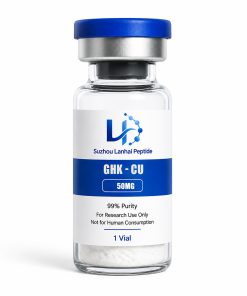
Pure Peptides
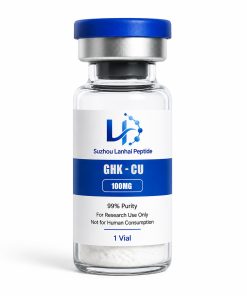
Pure Peptides
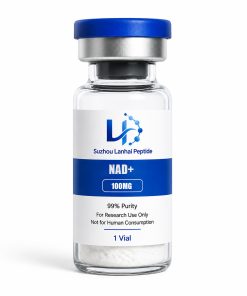
Pure Peptides
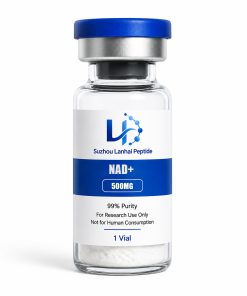
Pure Peptides

Pure Peptides

Pure Peptides

Pure Peptides

Pure Peptides

Pure Peptides

Pure Peptides

Pure Peptides

Pure Peptides

Pure Peptides

Pure Peptides

Pure Peptides

Pure Peptides
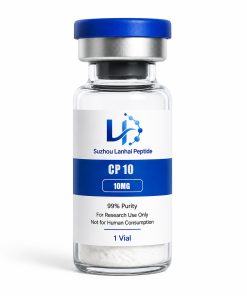
Pure Peptides
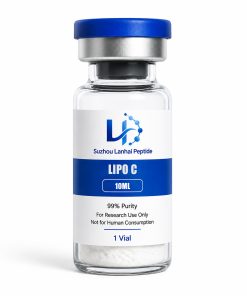
Pure Peptides
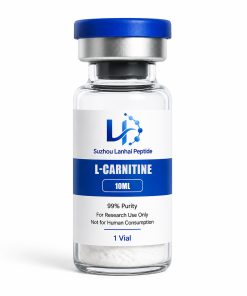
Pure Peptides

Pure Peptides

Pure Peptides