
Peptide Manufacturing Process
Peptide Manufacturing Process
Understanding the Peptide Manufacturing Process: From Sequence Design to Final Product
The peptide manufacturing process is a highly specialized scientific procedure used to produce peptides for biotechnology research, pharmaceutical development, diagnostic applications, cosmetic products, and therapeutic innovation. As peptides continue to play a growing role in modern medicine and life sciences, understanding how peptides are manufactured has become increasingly important for researchers, biotechnology companies, pharmaceutical organizations, and product developers.
At Suzhou Lanhai Peptide, we provide custom peptide synthesis, research peptide manufacturing, GMP peptide production, peptide API development, and peptide CDMO services. Our manufacturing expertise enables us to support projects ranging from early-stage discovery research to commercial-scale peptide production.
This guide explains each stage of the peptide manufacturing process and highlights the critical quality measures that help ensure reliable and consistent peptide production.
What Is Peptide Manufacturing?
Peptide manufacturing is the process of producing synthetic peptides according to a specific amino acid sequence. Modern manufacturing techniques allow scientists to create highly precise peptide molecules that can be used for research, pharmaceutical development, biotechnology applications, diagnostics, and cosmetic formulations.
Peptides are utilized in numerous fields including:
-
Biotechnology Research
-
Pharmaceutical Development
-
Drug Discovery
-
Molecular Biology
-
Diagnostic Development
-
Vaccine Research
-
Cosmetic Science
-
Therapeutic Peptide Development
As demand for peptide-based technologies grows, advanced manufacturing processes have become essential to support innovation.
Step 1: Peptide Sequence Design
Every peptide manufacturing project begins with sequence design.
Researchers determine:
-
Amino acid sequence
-
Desired peptide length
-
Functional requirements
-
Modification requirements
-
Purity specifications
-
Production scale
The peptide sequence serves as the blueprint for the entire manufacturing process.
Factors Considered During Design
Scientists evaluate:
-
Biological activity
-
Solubility characteristics
-
Stability requirements
-
Manufacturing feasibility
-
Analytical requirements
Proper design helps improve synthesis efficiency and product quality.
Step 2: Custom Peptide Synthesis
The next stage involves peptide synthesis.
Modern manufacturers primarily utilize:
Solid Phase Peptide Synthesis (SPPS)
SPPS is the industry-standard method for producing synthetic peptides.
Advantages include:
-
High precision
-
Scalability
-
Efficient production
-
Sequence flexibility
-
Compatibility with modifications
During synthesis, amino acids are added sequentially to build the desired peptide chain.
Amino Acid Coupling
Each amino acid is incorporated through controlled chemical reactions that progressively assemble the target sequence.
Chain Elongation
The peptide chain grows step-by-step until the complete sequence has been synthesized.
Step 3: Cleavage and Deprotection
Once synthesis is complete, the peptide must be separated from the solid support material.
This stage includes:
Resin Cleavage
The peptide is released from the synthesis resin.
Protecting Group Removal
Temporary chemical groups used during synthesis are removed to produce the final peptide structure.
Following cleavage and deprotection, the crude peptide is ready for purification.
Step 4: Crude Peptide Production
The initial product obtained after synthesis is referred to as a crude peptide.
Crude peptides typically contain:
-
Desired peptide product
-
Synthesis byproducts
-
Truncated sequences
-
Reaction impurities
Additional purification is usually required to achieve target quality specifications.
Step 5: Peptide Purification
Purification is one of the most critical stages of peptide manufacturing.
High-Performance Liquid Chromatography (HPLC)
HPLC is widely used to separate the target peptide from impurities.
Purification helps achieve:
-
Higher purity levels
-
Improved consistency
-
Enhanced analytical performance
-
Better research reliability
Common purity specifications include:
-
70%
-
80%
-
90%
-
95%
-
98%
The required purity level depends on the intended application.
Step 6: Analytical Testing
After purification, the peptide undergoes comprehensive analytical testing.
HPLC Analysis
Used to determine peptide purity.
Mass Spectrometry (MS)
Confirms molecular weight and peptide identity.
Amino Acid Analysis
May be used to verify composition.
Sequence Verification
Confirms correct peptide structure.
Stability Testing
Evaluates storage and handling characteristics.
Analytical testing helps ensure the peptide meets project specifications.
Step 7: Quality Control Review
Quality control procedures help verify manufacturing consistency.
Key activities include:
-
Documentation review
-
Analytical data verification
-
Batch release evaluation
-
Specification confirmation
-
Product acceptance testing
Robust quality systems are essential for reliable peptide production.
Step 8: Lyophilization (Freeze-Drying)
Many peptides are converted into a stable powder through lyophilization.
Benefits include:
-
Improved storage stability
-
Enhanced transportation safety
-
Extended shelf life
-
Reduced degradation risk
Lyophilized peptides are commonly used throughout research and pharmaceutical industries.
Step 9: Packaging and Storage
Proper packaging protects peptide integrity during transportation and storage.
Storage considerations may include:
-
Temperature control
-
Moisture protection
-
Light protection
-
Contamination prevention
Researchers often utilize:
-
Peptide Storage Boxes
-
Laboratory Peptide Freezers
-
Controlled storage environments
to preserve product quality.
Common Peptides Manufactured Today
Modern peptide manufacturers support a wide variety of peptide programs.
Metabolic and Weight Management Peptides
Examples include:
-
Tirzepatide
-
Retatrutide
-
Semaglutide
-
Cagrilintide
-
Survodutide
-
Mazdutide
-
AOD-9604
Growth Hormone Research Peptides
Examples include:
-
CJC-1295
-
Ipamorelin
-
Sermorelin
-
Tesamorelin
-
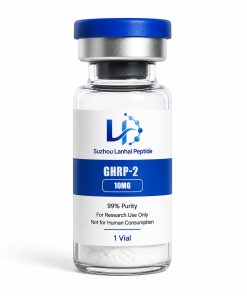
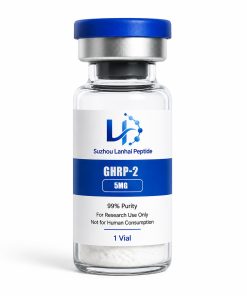
GHRP-2
-
GHRP-6
Recovery and Regenerative Research Peptides
Frequently manufactured peptides include:
-
BPC-157
-
TB-500
-
KPV
-
Thymosin Alpha-1
-
Thymosin Beta-4
Longevity Research Peptides
Popular examples include:
-
Epitalon
-
Humanin
-
MOTS-c
-
SS-31
-
FOXO4-DRI
Cosmetic Peptides
Common cosmetic peptides include:
-
GHK-Cu
-
Matrixyl
-
Acetyl Hexapeptide-8
-
Palmitoyl Tripeptide-1
-
Palmitoyl Tetrapeptide-7
These peptide families provide strong opportunities for internal linking throughout your website.
Research Grade vs GMP Manufacturing
Research Grade Peptides
Typically manufactured for:
-
Academic research
-
Drug discovery
-
Biotechnology investigations
-
Laboratory studies
GMP Peptides
Often associated with:
-
Clinical development
-
Advanced manufacturing programs
-
Regulated production environments
-
Commercial supply
Many projects begin as research programs and later transition to GMP manufacturing.
Why Manufacturing Expertise Matters
Peptide manufacturing involves numerous technical challenges.
An experienced manufacturer helps ensure:
-
Accurate synthesis
-
Reliable purification
-
Comprehensive testing
-
Consistent quality
-
Scalable production
-
Technical problem-solving
These capabilities are essential for successful research and development programs.
Why Choose Suzhou Lanhai Peptide
Suzhou Lanhai Peptide supports scientific innovation through advanced peptide manufacturing solutions.
Our services include:
-
Custom Peptide Synthesis
-
Research Peptide Manufacturing
-
GMP Peptide Production
-
Peptide API Development
-
Peptide CDMO Services
-
Cosmetic Peptide Manufacturing
-
Analytical Testing Services
-
Process Development Support
Our commitment to quality, innovation, and scientific excellence helps researchers and organizations accelerate peptide development programs.
Related Services
Researchers exploring peptide manufacturing often investigate:
-
Custom Peptide Synthesis
-
Cost of Custom Peptide Synthesis
-
GMP Peptide Manufacturing
-
GMP vs Research Grade Peptides
-
Peptide CDMO Services
-
Peptide API Development
-
Cosmetic Peptide Manufacturing
-
Peptide Purity Testing
-
HPLC Analysis for Peptides
-
Peptide Stability Studies
-
Peptide Storage Solutions
-
Peptide Calculator
These related topics help strengthen topical authority while creating valuable internal linking opportunities.
Frequently Asked Questions
What is the peptide manufacturing process?
The peptide manufacturing process includes sequence design, synthesis, cleavage, purification, analytical testing, quality control, lyophilization, packaging, and storage.
What is Solid Phase Peptide Synthesis?
SPPS is the most widely used method for manufacturing synthetic peptides through stepwise amino acid assembly.
Why is peptide purification important?
Purification removes impurities and helps achieve target quality specifications.
What analytical tests are performed?
Common tests include HPLC analysis, mass spectrometry, sequence verification, and stability studies.
Can peptides be manufactured under GMP conditions?
Yes. Many peptide manufacturers offer GMP production for advanced development and commercial programs.
Partner With a Trusted Peptide Manufacturing Expert
Whether you are developing Tirzepatide, Retatrutide, Semaglutide, BPC-157, TB-500, MOTS-c, Epitalon, GHK-Cu, Matrixyl, or a novel proprietary peptide, understanding the peptide manufacturing process is essential for successful development.
Suzhou Lanhai Peptide is proud to support researchers, biotechnology companies, and pharmaceutical innovators through custom peptide synthesis, GMP manufacturing, analytical expertise, peptide CDMO services, and scalable production solutions designed to advance scientific discovery and commercial success.

peptide storage for sale

peptide storage for sale


peptide storage for sale


peptide storage for sale


peptide storage for sale

Uncategorized

Pure Peptides

Pure Peptides
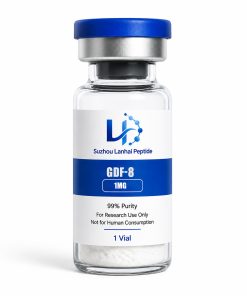
Pure Peptides
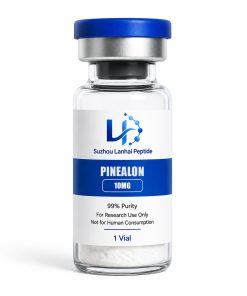
Pure Peptides
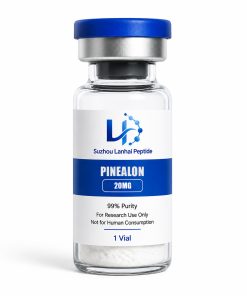
Pure Peptides
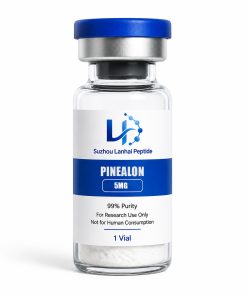
Pure Peptides
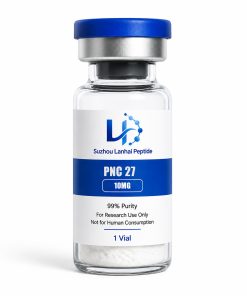
Pure Peptides
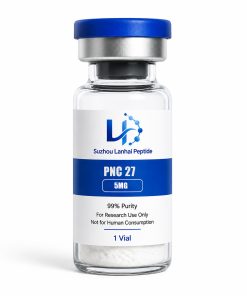
Pure Peptides
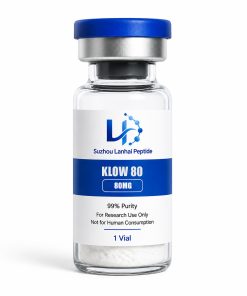
Pure Peptides
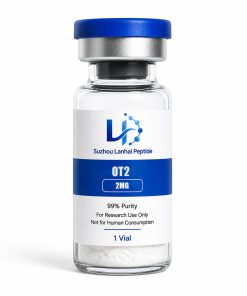
Pure Peptides
Pure Peptides
Pure Peptides
Pure Peptides
Pure Peptides
Pure Peptides
Pure Peptides
Pure Peptides
Pure Peptides
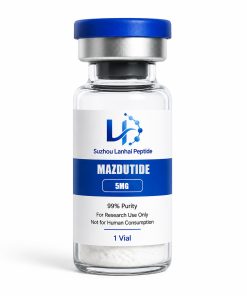
Pure Peptides
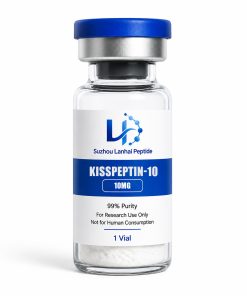
Pure Peptides
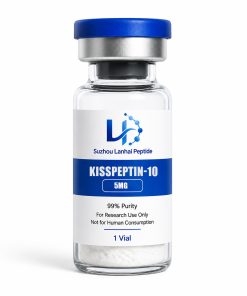
Pure Peptides
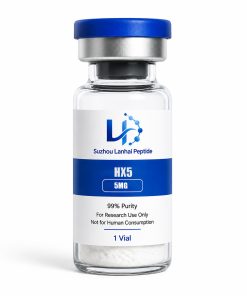
Pure Peptides
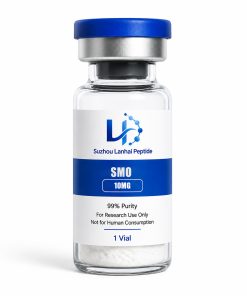
Pure Peptides
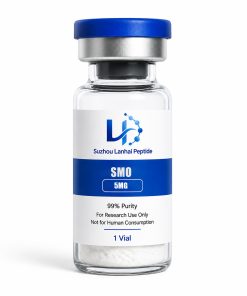
Pure Peptides
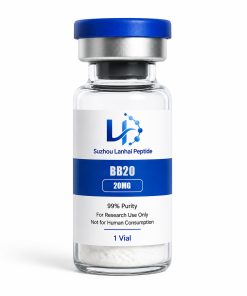
Pure Peptides
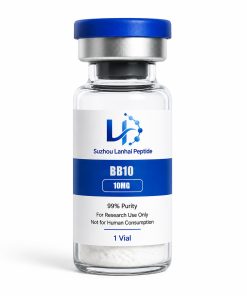
Pure Peptides
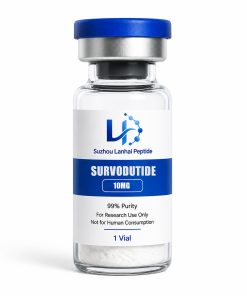
Pure Peptides
Pure Peptides
Pure Peptides
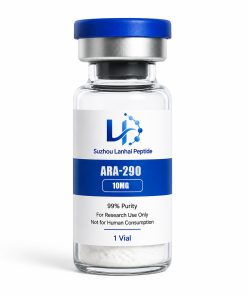
Pure Peptides
Pure Peptides
Pure Peptides
Pure Peptides
Pure Peptides
Pure Peptides
Pure Peptides
Pure Peptides
Pure Peptides
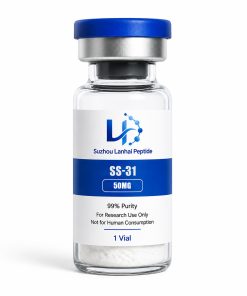
Pure Peptides
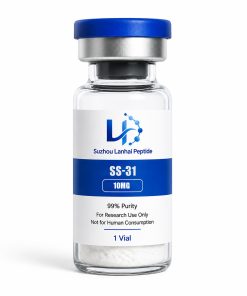
Pure Peptides
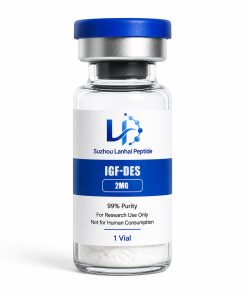
Pure Peptides
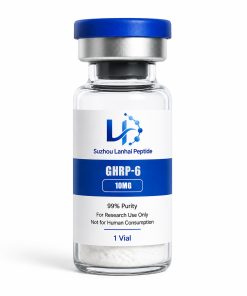
Pure Peptides