
What is peptide synthesis?
What Is Peptide Synthesis?
Understanding Peptide Synthesis
Peptide synthesis is the process of chemically creating peptides, which are short chains of amino acids linked together in a specific sequence. Because amino acids are the building blocks of proteins, peptide synthesis allows scientists to manufacture custom molecules for research, biotechnology, pharmaceutical development, diagnostics, cosmetic applications, and therapeutic innovation.
Today, peptide synthesis is a cornerstone of modern life sciences. Researchers use synthetic peptides to study biological pathways, develop new drugs, investigate diseases, create diagnostic tools, and manufacture cosmetic ingredients such as GHK-Cu and Matrixyl.
At its core, peptide synthesis allows scientists to build a peptide one amino acid at a time until the desired sequence is complete.
What Are Peptides?
Peptides are molecules made up of amino acids connected by peptide bonds. They are smaller than proteins but perform many important biological functions.
Naturally occurring peptides help regulate:
- Cell signaling
- Hormone activity
- Immune responses
- Metabolism
- Tissue repair
- Growth and development
Examples of well-known research peptides include:
- Tirzepatide
- Retatrutide
- Semaglutide
- BPC-157
- TB-500
- CJC-1295
- Ipamorelin
- Epitalon
- MOTS-c
- GHK-Cu
Because peptides influence so many biological processes, they have become valuable tools in scientific research.
Why Is Peptide Synthesis Important?
Without peptide synthesis, researchers would be limited to extracting peptides from natural sources, which is often expensive, inefficient, and impractical.
Synthetic peptide production provides:
Precision
Scientists can create exact amino acid sequences required for research projects.
Scalability
Peptides can be produced in quantities ranging from milligrams to kilograms.
Customization
Researchers can modify peptides to improve stability, functionality, or analytical performance.
Reproducibility
Controlled manufacturing processes help ensure consistent quality between batches.
How Peptide Synthesis Works
The most widely used manufacturing method is called Solid Phase Peptide Synthesis (SPPS).
The basic process involves:
Step 1: Sequence Design
Researchers determine the exact amino acid sequence required for the project.
For example:
Amino Acid 1 → Amino Acid 2 → Amino Acid 3 → Amino Acid 4Each amino acid must be added in the correct order to produce the desired peptide.
Step 2: Amino Acid Assembly
Amino acids are added one at a time onto a solid support material called a resin.
Each addition forms a peptide bond, gradually building the peptide chain.
Step 3: Chain Elongation
The synthesis cycle repeats until the entire peptide sequence is assembled.
Longer peptides require more synthesis cycles and greater manufacturing expertise.
Step 4: Cleavage
The completed peptide is separated from the resin.
Temporary protecting groups used during synthesis are also removed.
Step 5: Purification
The crude peptide is purified to remove impurities and unwanted byproducts.
This is commonly performed using High-Performance Liquid Chromatography (HPLC).
Step 6: Quality Testing
Manufacturers verify:
- Peptide identity
- Purity
- Molecular weight
- Sequence accuracy
Only after testing is the peptide approved for delivery.
Applications of Peptide Synthesis
Pharmaceutical Development
Many modern drug candidates are peptides.
Examples of peptides being investigated in pharmaceutical research include:
- Tirzepatide
- Retatrutide
- Semaglutide
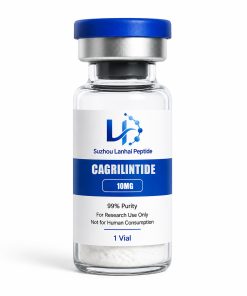
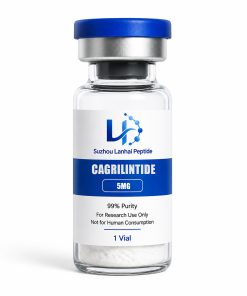
- Cagrilintide
- Survodutide
Biotechnology Research
Researchers use peptides to study:
- Receptor interactions
- Cellular communication
- Signal transduction
- Protein function
Longevity Research
Scientists investigate peptides such as:
- Epitalon
- Humanin
- MOTS-c
- SS-31
to better understand aging-related biological pathways.
Regenerative Research
Popular regenerative research peptides include:
- BPC-157
- TB-500
- KPV
- Thymosin Alpha-1
Cosmetic Science
Cosmetic peptide synthesis supports ingredients such as:
- GHK-Cu
- Matrixyl
- Acetyl Hexapeptide-8
- Palmitoyl Tripeptide-1
used in advanced skincare products.
Custom Peptide Synthesis
Many research projects require peptides that are not commercially available.
Custom peptide synthesis allows researchers to specify:
- Sequence length
- Amino acid composition
- Purity level
- Modifications
- Production quantity
Common peptide modifications include:
- PEGylation
- Biotinylation
- Fluorescent labeling
- Cyclization
- Acetylation
- Amidation
These modifications can improve stability, detection, or biological performance.
Why Peptide Purity Matters
Purity is one of the most important factors in peptide manufacturing.
High-purity peptides help:
- Reduce experimental variability
- Improve reproducibility
- Increase analytical accuracy
- Support reliable research results
Common purity specifications include:
- 90%+
- 95%+
- 98%+
- Ultra-high purity
The appropriate level depends on the intended application.
Research Grade vs GMP Peptide Synthesis
Research Grade Peptides
Typically used for:
- Academic research
- Drug discovery
- Laboratory studies
- Biotechnology investigations
GMP Peptides
Often manufactured for:
- Clinical development
- Pharmaceutical programs
- Advanced production environments
- Commercial applications
Many successful peptide programs begin with research-grade synthesis before progressing to GMP manufacturing.
Frequently Asked Questions
What is peptide synthesis?
Peptide synthesis is the process of chemically manufacturing peptides by linking amino acids together in a specific sequence.
What is the most common peptide synthesis method?
Solid Phase Peptide Synthesis (SPPS) is the most widely used method in modern peptide manufacturing.
Why are synthetic peptides important?
They enable researchers to investigate biological processes, develop therapies, create diagnostics, and advance biotechnology innovation.
Can peptides be customized?
Yes. Researchers can specify sequence length, modifications, purity requirements, and production scale.
What industries use peptide synthesis?
Biotechnology, pharmaceuticals, academic research, diagnostics, cosmetics, and life sciences organizations all rely on peptide synthesis.
Partner With an Experienced Peptide Manufacturer
As peptide science continues to transform biotechnology and pharmaceutical innovation, access to reliable peptide synthesis services becomes increasingly important. Whether your project involves Tirzepatide, Retatrutide, Semaglutide, BPC-157, TB-500, Epitalon, MOTS-c, GHK-Cu, or a completely novel peptide sequence, high-quality synthesis is the foundation of successful research and development.
Suzhou Lanhai Peptide provides custom peptide synthesis, research peptide manufacturing, GMP peptide production, analytical testing, peptide CDMO services, and scalable manufacturing solutions designed to support scientific innovation worldwide.

Pure Peptides

Pure Peptides
Pure Peptides

Pure Peptides

Pure Peptides

Pure Peptides

Pure Peptides

Pure Peptides

Pure Peptides

Pure Peptides

Pure Peptides

Pure Peptides

Pure Peptides

Pure Peptides

Pure Peptides

Pure Peptides

Pure Peptides

Pure Peptides

Pure Peptides

Pure Peptides

Pure Peptides

Pure Peptides

Pure Peptides

Pure Peptides
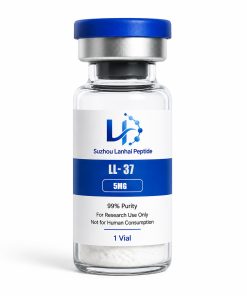
Pure Peptides
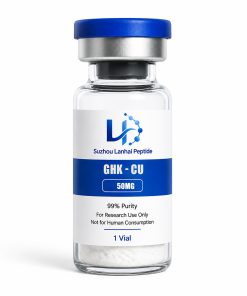
Pure Peptides
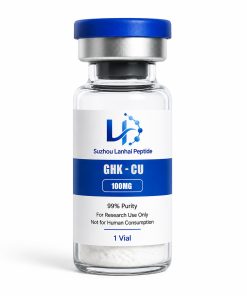
Pure Peptides
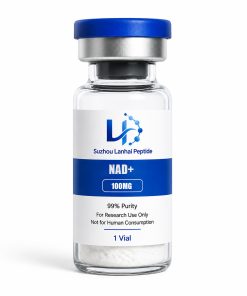
Pure Peptides
Pure Peptides
Pure Peptides
Pure Peptides
Pure Peptides
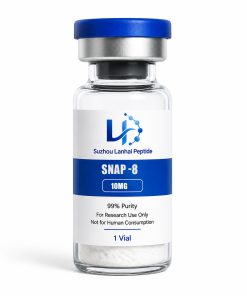
Pure Peptides
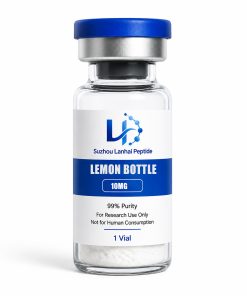
Pure Peptides
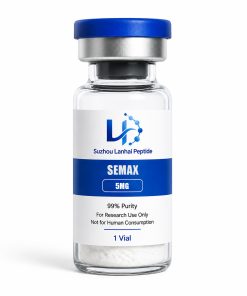
Pure Peptides
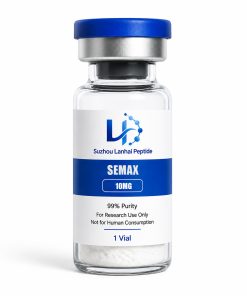
Pure Peptides
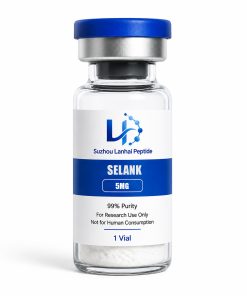
Pure Peptides
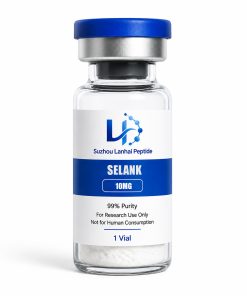
Pure Peptides
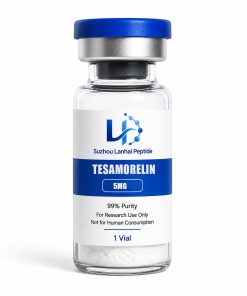
Pure Peptides
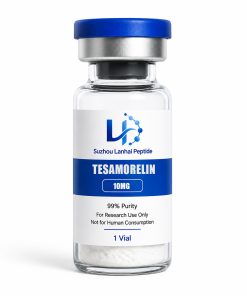
Pure Peptides
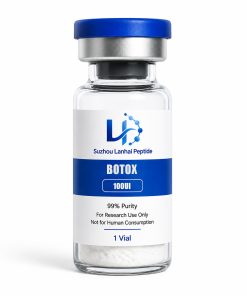
Pure Peptides
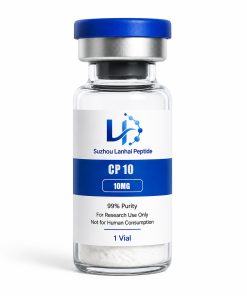
Pure Peptides
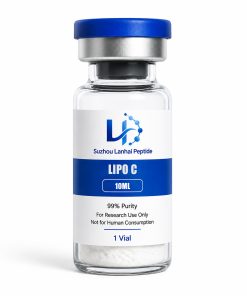
Pure Peptides
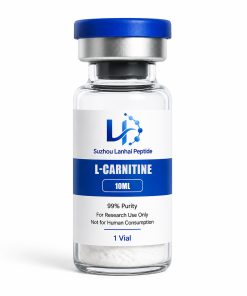
Pure Peptides

Pure Peptides
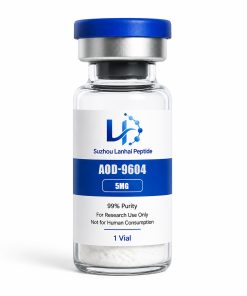
Pure Peptides
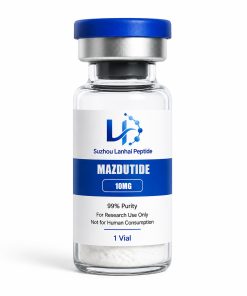
Pure Peptides
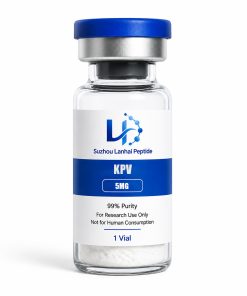
Pure Peptides
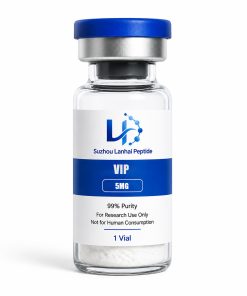
Pure Peptides
Pure Peptides