
peptides for sleep
Peptides for Sleep: Understanding Sleep-Related Peptide Research
Peptides for Sleep and Recovery
Quality sleep plays a critical role in physical recovery, cognitive performance, immune function, metabolic health, and overall well-being. As interest in sleep optimization continues to grow, researchers have increasingly investigated peptides for sleep and their potential relationships with biological pathways involved in rest, circadian rhythms, recovery, and hormonal regulation.
Peptides are naturally occurring chains of amino acids that act as signaling molecules throughout the body. Scientists study various peptides because they help regulate communication between cells and influence numerous physiological processes, including some that may be associated with sleep and recovery.
Today, peptide research continues expanding within biotechnology, neuroscience, endocrinology, healthy aging, and recovery science.
Why Sleep Is Important
Sleep is far more than simply resting. During sleep, the body performs numerous essential functions, including:
-
Tissue repair
-
Cellular recovery
-
Memory consolidation
-
Hormonal regulation
-
Immune system support
-
Metabolic maintenance
-
Nervous system recovery
Researchers continue exploring how peptides may interact with biological pathways involved in these processes.
Peptides Commonly Studied in Sleep and Recovery Research
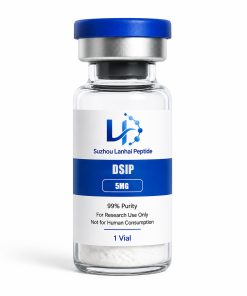
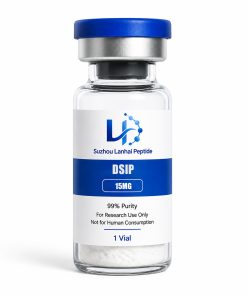
DSIP (Delta Sleep-Inducing Peptide)
DSIP is one of the most well-known peptides associated with sleep research.
Scientists have investigated DSIP in relation to:
-
Sleep regulation
-
Circadian rhythm research
-
Stress response pathways
-
Neuroendocrine signaling
-
Recovery mechanisms
Because of its name and historical research background, DSIP remains one of the most frequently discussed sleep-related peptides.
Sermorelin
Sermorelin is commonly studied for its relationship with growth hormone signaling pathways.
Researchers investigate Sermorelin because growth hormone release naturally occurs during sleep cycles and is closely linked to recovery processes.
Areas of study include:
-
Growth hormone regulation
-
Sleep-associated hormonal activity
-
Recovery biology
-
Healthy aging research
CJC-1295
CJC-1295 is another peptide frequently examined in studies involving growth hormone signaling.
Researchers explore its relationship with:
-
Hormonal regulation
-
Recovery mechanisms
-
Sleep-related biological processes
-
Metabolic pathways
CJC-1295 is often discussed alongside other growth hormone research peptides.
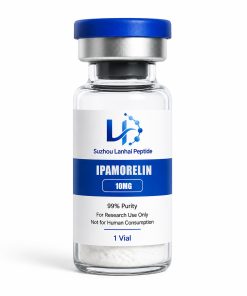
Ipamorelin
Ipamorelin is commonly investigated in growth hormone and recovery-related research.
Scientific interest includes:
-
Hormonal signaling
-
Recovery physiology
-
Sleep-related endocrine activity
-
Healthy aging studies
Researchers frequently examine CJC-1295 and Ipamorelin together because of their complementary research applications.
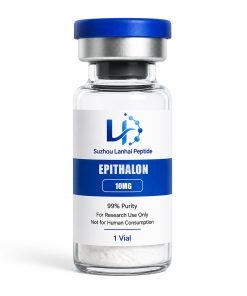
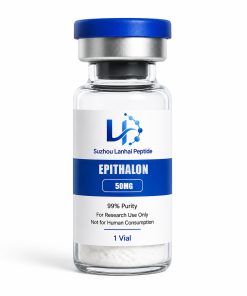
Epitalon
Epitalon has become increasingly popular in longevity and circadian rhythm research.
Scientists investigate Epitalon for its potential relationship with:
-
Circadian biology
-
Healthy aging pathways
-
Cellular maintenance
-
Melatonin-related research
-
Sleep cycle regulation
Because sleep quality and aging are closely interconnected, Epitalon continues attracting scientific attention.
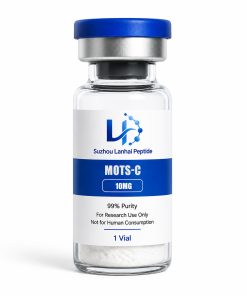
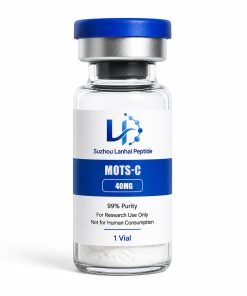
MOTS-c
MOTS-c is a mitochondrial-derived peptide studied for its relationship with cellular energy production and metabolic health.
Researchers investigate:
-
Energy regulation
-
Cellular resilience
-
Recovery pathways
-
Metabolic efficiency
Although not specifically classified as a sleep peptide, researchers often examine its role in overall recovery and wellness-related biological processes.
Growth Hormone Peptides and Sleep Research
A significant portion of sleep-related peptide research focuses on peptides associated with growth hormone pathways.
Common examples include:
-
CJC-1295
-
Ipamorelin
-
Sermorelin
-
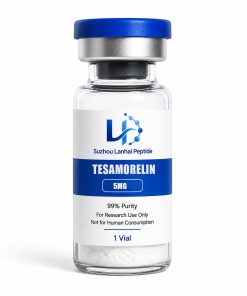
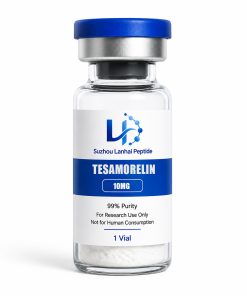
Tesamorelin
-
GHRP-2
-
GHRP-6
Researchers investigate these peptides because growth hormone secretion naturally occurs during sleep and plays a role in recovery and tissue maintenance.
Sleep, Recovery, and Regenerative Research
Many researchers view sleep and recovery as closely connected biological processes.
Peptides commonly studied in recovery research include:
BPC-157
Researchers investigate BPC-157 in studies involving:
-
Tissue repair
-
Recovery mechanisms
-
Connective tissue biology
-
Cellular regeneration
TB-500
TB-500 is frequently studied in relation to:
-
Cell migration
-
Muscle recovery
-
Tissue remodeling
-
Regenerative biology
KPV
Scientists investigate KPV for its relationship with inflammation-related pathways and immune signaling.
These peptides are often explored within broader recovery and regenerative research programs.
Longevity Peptides and Sleep Science
The growing field of longevity research has increased interest in peptides that may influence recovery and circadian biology.
Researchers commonly investigate:
-
Epitalon
-
Humanin
-
MOTS-c
-
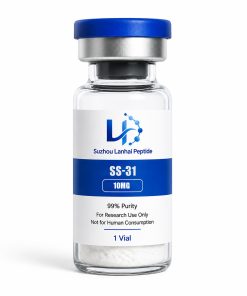
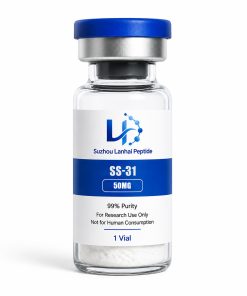
SS-31
-
FOXO4-DRI
These compounds are frequently studied in relation to healthy aging and cellular resilience.
How Researchers Evaluate Sleep-Related Peptides
Scientific investigations typically focus on:
Circadian Rhythm Pathways
Understanding how biological clocks regulate sleep and wake cycles.
Neuroendocrine Signaling
Examining communication between hormones and the nervous system.
Recovery Physiology
Investigating how biological systems repair and regenerate during rest.
Cellular Maintenance
Exploring mechanisms involved in long-term cellular health and resilience.
Stress Response Biology
Understanding how the body adapts to physiological and environmental stressors.
Importance of Peptide Quality
Researchers studying sleep-related peptides prioritize:
-
High purity
-
Sequence accuracy
-
Analytical verification
-
Batch consistency
-
Manufacturing quality
Reliable peptide manufacturing helps support reproducible scientific outcomes and meaningful research results.
Related Peptide Research Topics
Researchers interested in peptides for sleep often explore:
Recovery Peptides
-
BPC-157
-
TB-500
-
KPV
-
Thymosin Alpha-1
Growth Hormone Peptides
-
CJC-1295
-
Ipamorelin
-
Sermorelin
-
Tesamorelin
Longevity Peptides
-
Epitalon
-
MOTS-c
-
Humanin
-
SS-31
Metabolic Peptides
-
Tirzepatide
-
Retatrutide
-
Semaglutide
-
AOD-9604
These related topics provide excellent opportunities for internal linking and content clustering.
Frequently Asked Questions
What peptide is most commonly associated with sleep research?
DSIP (Delta Sleep-Inducing Peptide) is one of the most widely recognized peptides studied in sleep-related research.
Why are growth hormone peptides discussed in sleep research?
Researchers investigate growth hormone-related peptides because growth hormone secretion naturally occurs during sleep cycles.
Is Epitalon related to sleep research?
Scientists frequently study Epitalon in relation to circadian rhythms, healthy aging, and melatonin-associated biological pathways.
What peptides are commonly studied for recovery?
Researchers often investigate BPC-157, TB-500, KPV, CJC-1295, and Ipamorelin in recovery-focused studies.
Why is peptide quality important?
High-quality peptides help improve research reliability, reproducibility, and analytical accuracy.
Advancing Sleep and Recovery Research
Sleep remains one of the most important biological processes affecting human health, recovery, metabolism, and longevity. As scientific understanding of sleep-related pathways expands, researchers continue investigating peptides such as DSIP, Epitalon, CJC-1295, Ipamorelin, Sermorelin, MOTS-c, BPC-157, and TB-500 to better understand the complex biological mechanisms involved in rest and recovery.
Through high-quality peptide synthesis, analytical testing, and advanced manufacturing capabilities, researchers can continue exploring new opportunities in sleep science, recovery biology, and healthy aging research.

Pure Peptides

Pure Peptides
Pure Peptides

Pure Peptides

Pure Peptides

Pure Peptides

Pure Peptides

Pure Peptides

Pure Peptides

Pure Peptides

Pure Peptides

Pure Peptides

Pure Peptides

Pure Peptides

Pure Peptides

Pure Peptides

Pure Peptides

Pure Peptides

Pure Peptides

Pure Peptides

Pure Peptides

Pure Peptides

Pure Peptides

Pure Peptides
Pure Peptides
Pure Peptides
Pure Peptides
Pure Peptides
Pure Peptides

Pure Peptides

Pure Peptides
Pure Peptides

Pure Peptides
Pure Peptides
Pure Peptides
Pure Peptides
Pure Peptides
Pure Peptides
Pure Peptides
Pure Peptides
Pure Peptides
Pure Peptides
Pure Peptides
Pure Peptides

Pure Peptides
Pure Peptides
Pure Peptides
Pure Peptides

Pure Peptides
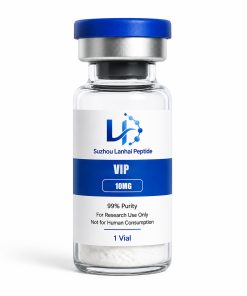
Pure Peptides
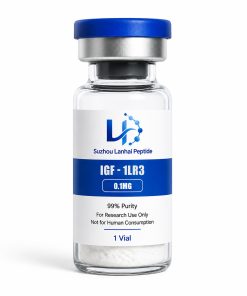
Pure Peptides
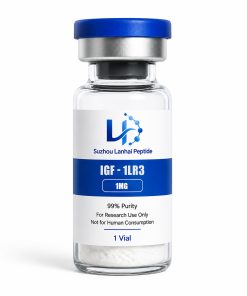
Pure Peptides
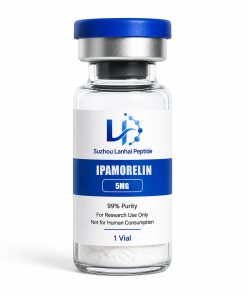
Pure Peptides
Pure Peptides
Pure Peptides
Pure Peptides
Pure Peptides
Pure Peptides
Pure Peptides
Pure Peptides
Pure Peptides
Pure Peptides
Pure Peptides
Pure Peptides
Pure Peptides
Pure Peptides
Pure Peptides
Pure Peptides
Pure Peptides
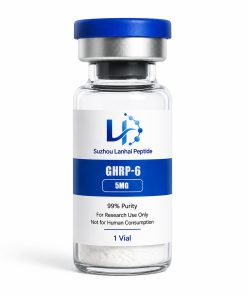
Pure Peptides
Pure Peptides
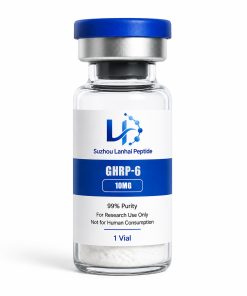
Pure Peptides
Pure Peptides
Pure Peptides
Pure Peptides
Pure Peptides
Pure Peptides
Pure Peptides
Pure Peptides
Pure Peptides