
retatrutide peptide benefits
Retatrutide Peptide Benefits: Understanding One of the Most Studied Metabolic Research Peptides
What Is Retatrutide?
Retatrutide is an investigational peptide that has attracted significant attention within biotechnology, pharmaceutical development, and metabolic research. Scientists are studying Retatrutide because it interacts with multiple biological pathways involved in energy regulation, metabolism, appetite signaling, and glucose homeostasis.
Unlike many traditional metabolic peptides that target a single receptor, Retatrutide is notable for its multi-receptor activity. This unique characteristic has made it one of the most discussed compounds in obesity, metabolic health, and body composition research.
As scientific interest in peptide-based therapies continues to grow, researchers are increasingly exploring the potential benefits and mechanisms associated with Retatrutide.
How Retatrutide Works
Researchers classify Retatrutide as a multi-pathway peptide designed to interact with several metabolic signaling systems.
Scientific investigations focus on its relationship with:
-
Appetite regulation pathways
-
Energy expenditure mechanisms
-
Glucose metabolism
-
Body composition research
-
Hormonal signaling networks
-
Metabolic adaptation processes
Because multiple pathways are involved, Retatrutide has become a major area of interest in next-generation metabolic research.
Potential Benefits of Retatrutide Being Studied
Metabolic Health Research
One of the primary reasons researchers investigate Retatrutide is its potential influence on metabolic regulation.
Scientists study how the peptide may affect:
-
Energy balance
-
Nutrient utilization
-
Metabolic signaling
-
Glucose-related pathways
-
Hormonal communication
These investigations continue to expand as interest in metabolic science grows worldwide.
Body Composition Research
Researchers frequently examine Retatrutide in studies involving body composition and energy regulation.
Areas of scientific interest include:
-
Fat metabolism
-
Energy expenditure
-
Appetite-related signaling
-
Weight management pathways
-
Long-term metabolic adaptation
Because body composition research remains a major focus in modern biotechnology, Retatrutide continues to receive considerable attention.
Appetite Signaling Studies
Researchers are particularly interested in how Retatrutide may interact with biological systems involved in appetite regulation.
Current investigations explore:
-
Satiety pathways
-
Hunger signaling mechanisms
-
Neuroendocrine communication
-
Energy intake regulation
Understanding these pathways may provide valuable insights into human metabolism and energy balance.
Energy Expenditure Research
Another important area of investigation involves energy expenditure.
Scientists continue studying whether Retatrutide influences:
-
Caloric utilization
-
Metabolic efficiency
-
Energy consumption pathways
-
Physiological adaptation mechanisms
This area of research distinguishes Retatrutide from many earlier metabolic compounds.
Glucose Regulation Research
Researchers are also investigating Retatrutide’s relationship with glucose metabolism.
Areas of study include:
-
Glucose homeostasis
-
Insulin-related signaling
-
Metabolic flexibility
-
Nutrient processing pathways
These investigations remain an important component of ongoing peptide research programs.
Why Retatrutide Is Different From Other Metabolic Peptides
Retatrutide is frequently compared with other popular metabolic research peptides.
Examples include:
-
Semaglutide
-
Tirzepatide
-
Cagrilintide
-
Survodutide
-
Mazdutide
-
AOD-9604
-
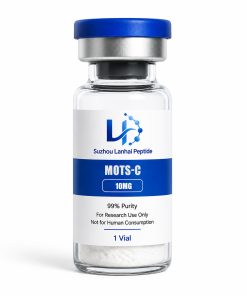
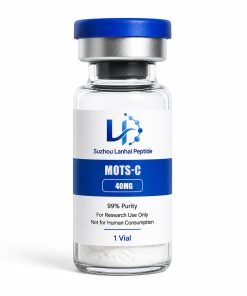
MOTS-c
Researchers are interested in understanding how Retatrutide’s multi-pathway mechanism may differ from peptides that primarily focus on fewer biological targets.
Related Peptides Researchers Often Explore
Scientists studying Retatrutide frequently investigate additional metabolic and longevity-focused peptides such as:
Metabolic Research Peptides
-
Tirzepatide
-
Semaglutide
-
Cagrilintide
-
Survodutide
-
Mazdutide
-
AOD-9604
Longevity and Cellular Health Research Peptides
-
MOTS-c
-
Epitalon
-
Humanin
-
SS-31
-
FOXO4-DRI
Recovery and Regenerative Research Peptides
-
BPC-157
-
TB-500
-
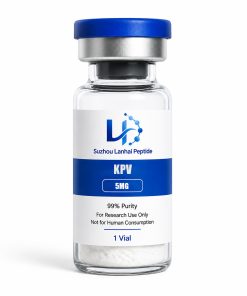
KPV
-
Thymosin Alpha-1
These topics create strong internal linking opportunities for peptide-focused websites.
Why Retatrutide Has Become Popular in Peptide Research
Several factors contribute to the growing interest in Retatrutide:
-
Multi-receptor activity
-
Expanding metabolic research applications
-
Interest in energy regulation pathways
-
Growing obesity research initiatives
-
Advances in peptide therapeutics
-
Increased biotechnology investment
As research continues, Retatrutide remains one of the most closely watched peptides in the metabolic science field.
Importance of High-Quality Peptide Manufacturing
Researchers studying Retatrutide emphasize the importance of peptide quality.
Key considerations include:
-
Purity verification
-
Sequence accuracy
-
Analytical testing
-
Batch consistency
-
Stability evaluation
Reliable manufacturing helps support reproducible scientific investigations and meaningful research outcomes.
Frequently Asked Questions
What is Retatrutide?
Retatrutide is an investigational peptide being studied for its interactions with multiple metabolic signaling pathways.
Why are researchers interested in Retatrutide?
Researchers are investigating its potential role in metabolism, energy balance, appetite signaling, body composition, and glucose regulation.
How does Retatrutide differ from other peptides?
Retatrutide is notable for interacting with multiple biological pathways involved in metabolic regulation.
Is Retatrutide a research peptide?
Retatrutide is widely studied within biotechnology, pharmaceutical development, and metabolic research settings.
What peptides are commonly compared with Retatrutide?
Researchers often compare Retatrutide with Tirzepatide, Semaglutide, Cagrilintide, Survodutide, Mazdutide, and AOD-9604.
The Future of Retatrutide Research
Retatrutide represents one of the most exciting developments in modern peptide science. Its multi-pathway mechanism and growing body of research have positioned it as a leading subject in metabolic and body composition investigations.
As scientists continue exploring the biological pathways associated with metabolism, appetite regulation, and energy expenditure, Retatrutide is expected to remain an important area of biotechnology and pharmaceutical research. High-quality peptide manufacturing, analytical testing, and custom peptide synthesis will continue to play essential roles in supporting future scientific discoveries.

Pure Peptides

Pure Peptides

Pure Peptides

Pure Peptides

Pure Peptides

Pure Peptides

Pure Peptides

Pure Peptides

Pure Peptides

Pure Peptides

Pure Peptides

Pure Peptides

Pure Peptides

Pure Peptides

Pure Peptides

Pure Peptides

Pure Peptides

Pure Peptides

Pure Peptides

Pure Peptides

Pure Peptides

Pure Peptides
Pure Peptides

Pure Peptides
Pure Peptides

Pure Peptides

Pure Peptides

Pure Peptides

Pure Peptides

Pure Peptides

Pure Peptides

Pure Peptides

Pure Peptides

Pure Peptides

Pure Peptides

Pure Peptides

Pure Peptides

Pure Peptides

Pure Peptides

Pure Peptides

Pure Peptides

Pure Peptides

Pure Peptides

Pure Peptides

Pure Peptides

Pure Peptides

Pure Peptides

Pure Peptides

Pure Peptides

Pure Peptides

Pure Peptides

Pure Peptides

Pure Peptides

Pure Peptides

Pure Peptides
Pure Peptides
Pure Peptides

Pure Peptides

Pure Peptides

Pure Peptides
Pure Peptides

Pure Peptides

Pure Peptides

Pure Peptides
Pure Peptides
Pure Peptides

Pure Peptides

Pure Peptides

Pure Peptides

Pure Peptides

Pure Peptides

Pure Peptides

Pure Peptides

Pure Peptides

Pure Peptides

Pure Peptides

Pure Peptides

Pure Peptides

Pure Peptides

Pure Peptides

Pure Peptides

Pure Peptides

Pure Peptides

Pure Peptides

Pure Peptides

Pure Peptides

Pure Peptides

Pure Peptides

Pure Peptides

Pure Peptides

Pure Peptides

Pure Peptides

Pure Peptides

Pure Peptides

Pure Peptides
Pure Peptides

Pure Peptides
Pure Peptides

Pure Peptides

Pure Peptides