
GMP vs Research Grade Peptides
GMP vs Research Grade Peptides: Understanding the Key Differences
GMP Peptides vs Research Grade Peptides
One of the most common questions asked by biotechnology companies, pharmaceutical organizations, universities, research laboratories, and contract research organizations (CROs) is: What is the difference between GMP peptides and research grade peptides?
As peptide science continues to expand across pharmaceutical development, biotechnology innovation, drug discovery, molecular biology, and life sciences research, understanding the distinction between these manufacturing standards is essential when selecting the right peptide product for a specific project.
At Suzhou Lanhai Peptide, we support researchers and industry professionals through custom peptide synthesis, research peptide manufacturing, GMP peptide production, peptide API development, and advanced analytical testing services. This guide explains the major differences between GMP peptides and research-grade peptides and helps organizations determine which option may best align with their objectives.
What Are Research Grade Peptides?
Research grade peptides are peptides manufactured primarily for scientific investigation, laboratory studies, proof-of-concept experiments, and early-stage discovery programs.
These peptides are commonly used in:
-
Academic Research
-
Biotechnology Research
-
Molecular Biology
-
Drug Discovery
-
Protein Interaction Studies
-
Cell Signaling Research
-
Analytical Development
-
Preclinical Investigations
Research-grade peptides provide scientists with access to high-quality materials for experimental purposes while allowing flexibility during early research phases.
What Are GMP Peptides?
GMP peptides are peptides manufactured under Good Manufacturing Practice (GMP) quality systems designed to support highly controlled production environments.
GMP manufacturing incorporates:
-
Comprehensive documentation
-
Process controls
-
Quality assurance systems
-
Batch traceability
-
Standardized procedures
-
Risk management practices
-
Extensive quality oversight
GMP production is often associated with projects requiring enhanced quality systems and manufacturing consistency.
Key Differences Between GMP and Research Grade Peptides
Manufacturing Environment
Research Grade Peptides
Research-grade peptides are manufactured for scientific investigation and laboratory use. Production processes focus on delivering reliable materials for research activities.
GMP Peptides
GMP peptides are manufactured within controlled quality systems designed to ensure consistency, documentation, and traceability throughout production.
Documentation Requirements
Research Grade Peptides
Research-grade manufacturing generally includes:
-
Analytical reports
-
Purity data
-
Mass spectrometry results
-
Product specifications
GMP Peptides
GMP manufacturing typically includes more extensive documentation such as:
-
Batch production records
-
Quality system documentation
-
Process controls
-
Traceability records
-
Quality assurance reviews
Quality Systems
Research Grade Peptides
Quality control focuses primarily on verifying identity, purity, and manufacturing consistency.
GMP Peptides
Quality systems incorporate additional oversight, documentation controls, and structured manufacturing procedures.
Production Scale
Research Grade Peptides
Commonly produced in:
-
Milligram quantities
-
Gram quantities
-
Pilot-scale research projects
GMP Peptides
Frequently support:
-
Clinical development
-
Larger-scale production
-
Commercial manufacturing programs
Project Objectives
Research Grade Peptides
Typically support:
-
Early-stage discovery
-
Laboratory investigations
-
Proof-of-concept studies
-
Academic research
GMP Peptides
Often associated with:
-
Advanced development programs
-
Regulated manufacturing environments
-
Commercialization strategies
-
Long-term production planning
Similarities Between GMP and Research Grade Peptides
Although manufacturing standards differ, both types of peptides often share important characteristics.
Custom Peptide Synthesis
Both GMP and research-grade projects may require custom peptide sequences.
Analytical Testing
Manufacturers commonly perform testing such as:
-
HPLC Analysis
-
Mass Spectrometry
-
Purity Verification
-
Identity Confirmation
Technical Expertise
Successful peptide manufacturing requires scientific expertise regardless of project scale.
Advanced Synthesis Technologies
Modern synthesis technologies are used across both research and GMP production environments.
Popular Peptides Manufactured as Research Grade and GMP Products
Many peptide projects begin as research-grade programs and later transition to GMP production.
Metabolic Research Peptides
Examples include:
-
Tirzepatide
-
Retatrutide
-
Semaglutide
-
Cagrilintide
-
Survodutide
-
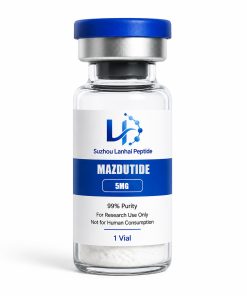
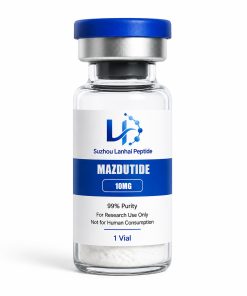
Mazdutide
-
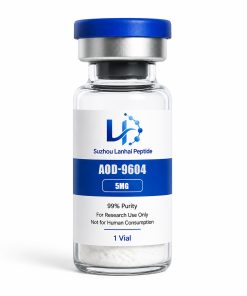
AOD-9604
Growth Hormone Research Peptides
Researchers frequently investigate:
-
CJC-1295
-
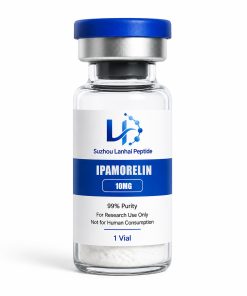
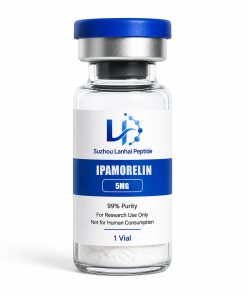
Ipamorelin
-
Sermorelin
-
Tesamorelin
-
GHRP-2
-
GHRP-6
Recovery and Regenerative Research Peptides
Popular compounds include:
-
BPC-157
-
TB-500
-
KPV
-
Thymosin Alpha-1
-
Thymosin Beta-4
Longevity and Healthy Aging Research Peptides
Growing scientific interest continues around:
-
Epitalon
-
Humanin
-
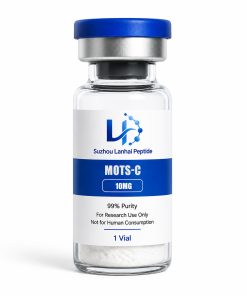
MOTS-c
-
SS-31
-
FOXO4-DRI
Cosmetic Peptides
Frequently manufactured peptides include:
-
GHK-Cu
-
Matrixyl
-
Acetyl Hexapeptide-8
-
Palmitoyl Tripeptide-1
-
Palmitoyl Tetrapeptide-7
These peptide categories create valuable opportunities for internal linking throughout your website.
How Researchers Choose Between GMP and Research Grade Peptides
Several factors influence the selection process.
Research Objectives
Early-stage discovery programs often begin with research-grade peptides.
Development Stage
Projects progressing toward advanced development may require expanded manufacturing controls.
Documentation Requirements
Some organizations require enhanced documentation and quality systems.
Production Scale
Manufacturing volume requirements may influence production strategy.
Regulatory Considerations
Project-specific requirements often determine appropriate manufacturing standards.
Benefits of Working With an Experienced Peptide Manufacturer
Choosing the right peptide manufacturing partner can significantly impact project success.
Researchers should look for:
Advanced Synthesis Capabilities
The ability to manufacture complex peptide sequences efficiently.
Analytical Expertise
Comprehensive testing supports product quality and consistency.
Scalability
Manufacturers should support both research and larger-scale production requirements.
Custom Development Support
Technical expertise can help optimize project outcomes.
Quality Commitment
Reliable manufacturing systems support long-term research and development goals.
Why Choose Suzhou Lanhai Peptide
Suzhou Lanhai Peptide provides advanced peptide manufacturing solutions for biotechnology, pharmaceutical, cosmetic, and academic research applications.
Our capabilities include:
-
Custom Peptide Synthesis
-
Research Peptide Manufacturing
-
GMP Peptide Production
-
Peptide API Development
-
Cosmetic Peptide Manufacturing
-
Analytical Testing Services
-
Peptide Characterization
-
Process Development Support
Our team works closely with clients to provide peptide solutions tailored to each project’s unique requirements.
Related Services
Researchers interested in GMP and research-grade peptides often explore:
-
Custom Peptide Synthesis
-
Cost of Custom Peptide Synthesis
-
GMP Peptide Manufacturing
-
Peptide API Development
-
Cosmetic Peptide Manufacturing
-
Contract Peptide Manufacturing
-
Peptide Purity Testing
-
HPLC Analysis for Peptides
-
Peptide Stability Studies
-
Buy Research Peptides Online
-
Buy Pure Peptides Online
-
Peptide Calculator
-
Peptide Storage Solutions
These related topics help strengthen topical authority and internal linking opportunities.
Frequently Asked Questions
What is the main difference between GMP and research-grade peptides?
The primary differences involve manufacturing controls, documentation systems, quality oversight, and traceability requirements.
Are research-grade peptides high quality?
Yes. Research-grade peptides are typically manufactured with analytical testing and quality control procedures appropriate for scientific research applications.
Why is GMP manufacturing important?
GMP systems help support consistency, documentation, traceability, and structured production processes.
Can a project move from research-grade to GMP manufacturing?
Yes. Many peptide development programs begin with research-grade production and later transition to GMP manufacturing as project requirements evolve.
Which peptides are commonly produced under both standards?
Examples include Tirzepatide, Retatrutide, Semaglutide, BPC-157, TB-500, CJC-1295, Ipamorelin, Epitalon, MOTS-c, and GHK-Cu.
Understanding the Right Manufacturing Approach
Selecting between GMP and research-grade peptides depends on project goals, development stage, documentation requirements, and manufacturing objectives. Both production approaches play important roles in supporting scientific discovery and biotechnology innovation.
Whether you are investigating metabolic peptides such as Tirzepatide and Semaglutide, regenerative peptides such as BPC-157 and TB-500, longevity peptides including Epitalon and MOTS-c, or cosmetic peptides such as GHK-Cu and Matrixyl, partnering with an experienced manufacturer is essential.
Suzhou Lanhai Peptide remains committed to supporting researchers and organizations worldwide through custom peptide synthesis, GMP manufacturing, analytical expertise, and scalable peptide production solutions designed to advance science and innovation.

peptide storage for sale

peptide storage for sale


peptide storage for sale


peptide storage for sale


peptide storage for sale

Uncategorized

Pure Peptides

Pure Peptides
Pure Peptides
Pure Peptides
Pure Peptides
Pure Peptides
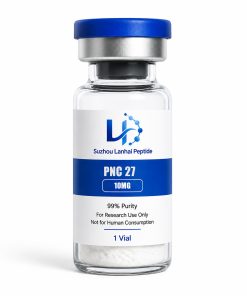
Pure Peptides
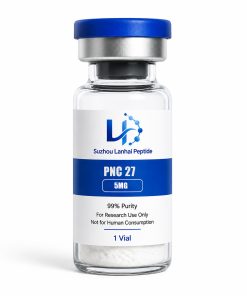
Pure Peptides
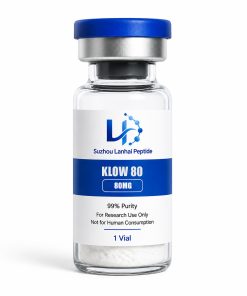
Pure Peptides
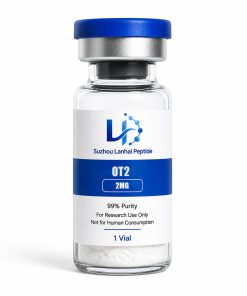
Pure Peptides
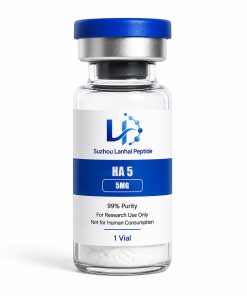
Pure Peptides
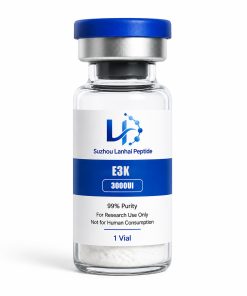
Pure Peptides
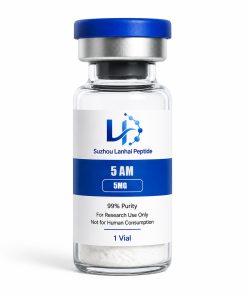
Pure Peptides
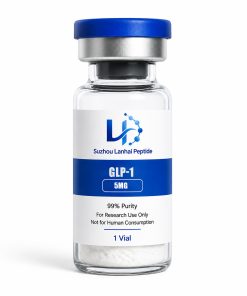
Pure Peptides
Pure Peptides
Pure Peptides
Pure Peptides
Pure Peptides
Pure Peptides
Pure Peptides
Pure Peptides
Pure Peptides
Pure Peptides
Pure Peptides
Pure Peptides
Pure Peptides
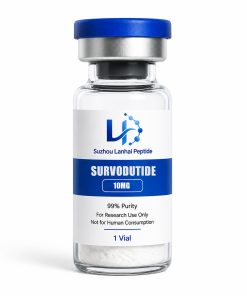
Pure Peptides
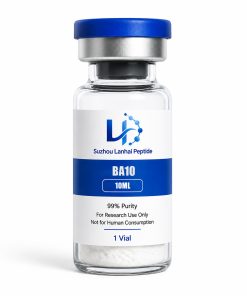
Pure Peptides
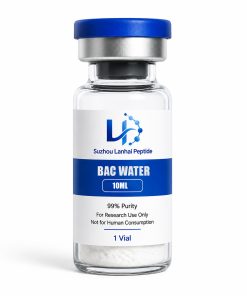
Pure Peptides
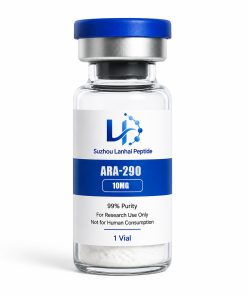
Pure Peptides
Pure Peptides
Pure Peptides
Pure Peptides
Pure Peptides
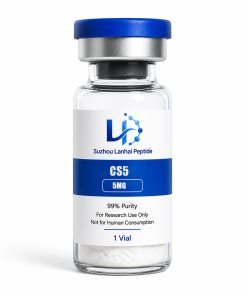
Pure Peptides
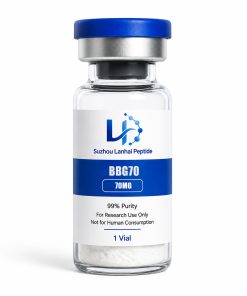
Pure Peptides
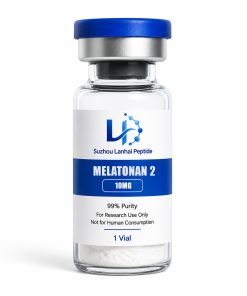
Pure Peptides
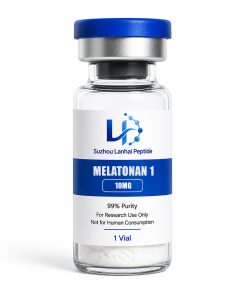
Pure Peptides
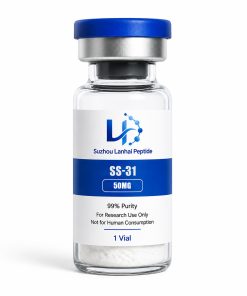
Pure Peptides
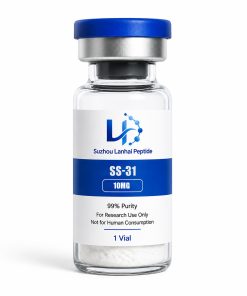
Pure Peptides
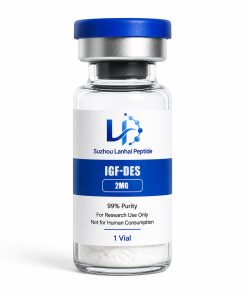
Pure Peptides
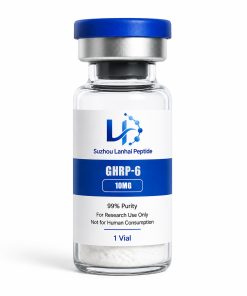
Pure Peptides
Pure Peptides
Pure Peptides
Pure Peptides
Pure Peptides
Pure Peptides
Pure Peptides
Pure Peptides
Pure Peptides
Pure Peptides
Pure Peptides
Pure Peptides
Pure Peptides
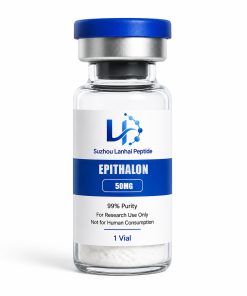
Pure Peptides
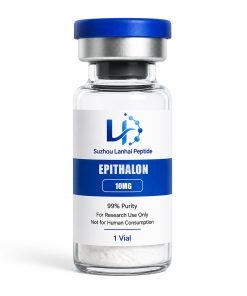
Pure Peptides
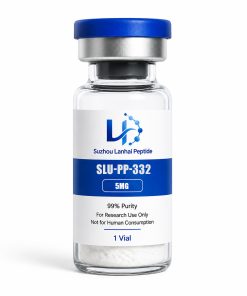
Pure Peptides
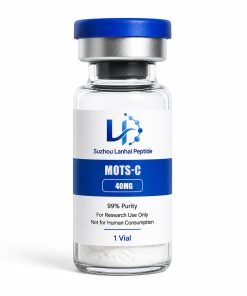
Pure Peptides
Pure Peptides
Pure Peptides
Pure Peptides
Pure Peptides
Pure Peptides
Pure Peptides
Pure Peptides
Pure Peptides
Pure Peptides
Pure Peptides
Pure Peptides
Pure Peptides
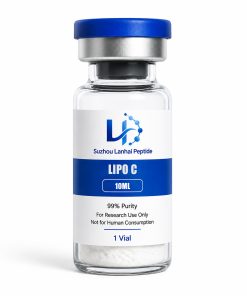
Pure Peptides
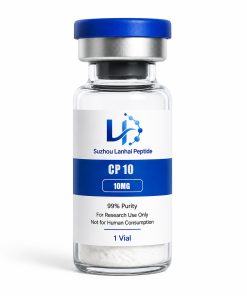
Pure Peptides
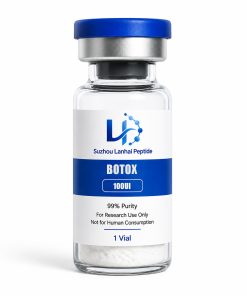
Pure Peptides
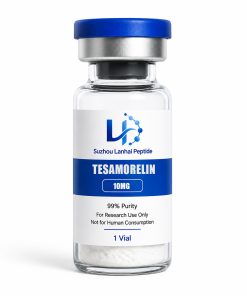
Pure Peptides